1 credit · 1 photo
AI oil painting portrait generator
One selfie in, one classical oil-painting portrait out — visible brushwork, Renaissance light, the kind of canvas you'd hang.
Powered by FLUX · ~30s · 7-day input deletion · You own the photo
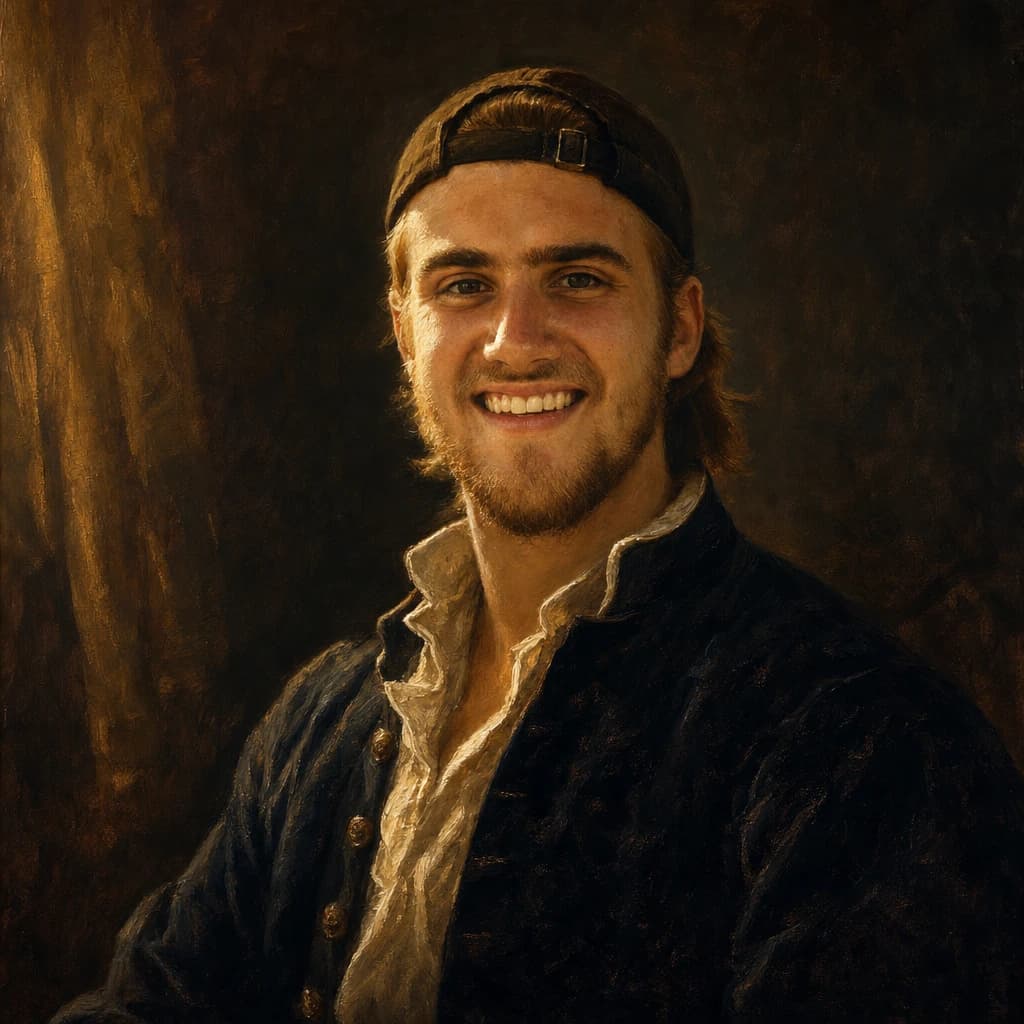
The AI oil painting generator takes one selfie and renders it as a classical oil-painted portrait — visible brushwork, dramatic Renaissance-style lighting from upper-left, rich dark backdrop, the painterly skin shading museum portraits use. Lumapic preserves your features exactly and applies the centuries-old portrait painting language in about 30 seconds.
Oil painting AI styles — Renaissance, Baroque, Impressionist, Modern
Oil painting isn't one tradition. Four distinct styles cover most of what people actually want from an AI oil painting generator:
Renaissance (Vermeer, Rembrandt) is dim chiaroscuro lighting from upper-left, restrained color palette, formal three-quarter pose, dark backdrop with subtle texture. Baroque (Caravaggio) pushes the same drama harder — sharper light-shadow contrast, more theatrical pose, often a single dramatic light source. Impressionist (Monet, Renoir) uses loose visible brushwork, brighter palette, softer edges, outdoor or window-lit scenes. Modern oil (Lucian Freud, contemporary commissioned portraits) is heavier impasto texture, less polished finish, more honest about skin and age.
Pick the style to match the recipient and the use case. Renaissance for gravitas. Baroque for drama. Impressionist for warmth. Modern oil for honesty.
AI oil painting vs. a commissioned portrait painter
A real commissioned oil portrait from a working artist runs $1,500 to $10,000 and takes 4 to 12 weeks. The price covers the artist's time (typically 40-80 hours of painting), the canvas and pigments, and — most of what you're paying for — their interpretation of the subject.
An AI oil painting reproduces the visual language without the interpretation. The brushwork is real (varied direction, sub-surface skin shading, painterly edges) but it's not a human looking at you and deciding what matters. For an heirloom that captures personality, commission an artist. For the visual aesthetic at digital cost and speed, AI works.
How AI oil paintings print — canvas, framed, gallery-style
The output is 2048px on the long edge. That prints cleanly at up to 16×20 inches on canvas at 150 DPI (canvas reads finer than paper because the texture hides individual pixels). On standard photo paper, the print quality is best at 8×10 inches at 250 DPI.
For gallery-style framed prints, canvas wrap is the right call — the painterly brushstrokes scale well, and the frame depth of a canvas wrap matches the visual idiom. Print services like Canvas on Demand or Easy Canvas Prints handle this for $30 to $80 depending on size. For poster prints, paper at standard 8×10 or 11×14 sizes.
When to colorize first vs. paint directly
If your input is a black-and-white or sepia photo (an old family photo, a vintage portrait), you have two paths. Path one: oil-paint directly from the B&W input — the output will be a moody, restricted-palette painting in the spirit of Old Master portraits, which is often the right call for a memorial or historical-feel gift.
Path two: restore-and-colorize first (via the old-photo-restoration template), then oil-paint the colorized version. The result is a brighter, more contemporary-feeling oil painting. Two credits, two outputs. Compare and pick. For grandparent or memorial use, path one usually feels truer to the era.
What to use it for
Six real surfaces.
- Print on canvas as a gift for a milestone birthday
- Render the portrait wall photo for a home library or office
- Make a self-portrait for an artist's website or portfolio
- Use as the cover image for a personal memoir or biography project
- Render matching oil-portraits for a family wall display
- Make a stylized author photo for a book jacket
How it works
From upload to finished photo.
01
Upload one front-facing photo
JPG, PNG, or WebP, at least 1024px. Any expression works; classical portraiture spans neutral to formal.
02
The model renders the oil-paint pass
Visible directional brush strokes, sub-surface skin shading, Renaissance-style upper-left key lighting, rich dark backdrop with subtle texture.
03
Download the result
Final JPG at 2048px, print-ready on canvas at standard sizes. About 30 seconds. 1 credit.
Tips for best results
What actually helps.
- A neutral or slightly serious expression reads more classical than a wide smile
- Front-facing or 3/4 angle both work; profile is harder for the model
- Plain clothing translates to period attire more cleanly than busy patterns
- Indoor soft lighting reads more authentically painted than outdoor sunlight
- If you want a specific period (Renaissance, Baroque, Romantic), say so
- The dramatic dark backdrop is canonical — the model won't change it without explicit prompt
Honest comparison
How this stacks up against alternatives.
Lumapic Oil Painting vs. commissioned human oil portrait: a real commissioned oil portrait by a working artist runs $1,500–10,000 and takes 4–12 weeks. Lumapic renders the look in 30 seconds for 1 credit. For a true hand-painted heirloom, hire an artist. For the look at digital scale, Lumapic.
FAQ
Common questions.
Can AI turn a photo into an oil painting?
Yes. The AI oil painting generator takes one selfie and renders it with the visual language of classical oil portraiture — visible directional brushwork, sub-surface skin shading, dramatic single-source lighting, painterly backdrop. Lumapic offers 4 art-historical sub-styles: Renaissance, Baroque, Impressionist, and Modern oil. Each preserves your face and applies that tradition's painting rules. Around 45 seconds per render.
What oil painting styles are available?
Four. Renaissance (Vermeer, Rembrandt) is dim chiaroscuro lighting and restrained color. Baroque (Caravaggio) pushes the drama harder with sharper light-shadow contrast. Impressionist (Monet, Renoir) uses loose visible brushwork and brighter palette. Modern oil (contemporary commissioned portraits) is heavier impasto texture with a less polished finish. Pick the style to match the recipient.
Does the brushstroke texture show at print size?
Yes. The output is 2048px on the long edge with real visible brushwork — varied stroke direction, sub-surface skin shading, painterly edges. On canvas at up to 16×20 inches at 150 DPI, the brushstrokes scale cleanly. On paper at 8×10 inches at 250 DPI, the texture reads as a real painting rather than a Photoshop filter.
How does this compare to a commissioned oil portrait?
A real commissioned oil portrait from a working artist runs $1,500–10,000 and takes 4 to 12 weeks. The price covers the artist's interpretation as much as the painting itself. AI reproduces the visual language without the interpretation. For an heirloom that captures personality, commission an artist. For the visual aesthetic at digital cost, Lumapic works.
Should I colorize an old B&W photo first or paint directly?
Both work, with different results. Painting directly from B&W produces a moody, restricted-palette result in the spirit of Old Master portraits — often the right call for memorial or historical-feel gifts. Colorizing first (via the old-photo-restoration template), then oil-painting, produces a brighter, more contemporary feel. Try both for $0.50 and pick.
How long does it take?
Around 45 seconds.
How much does it cost?
1 credit ($0.25) per render. Credit packs start at $2.99 for 12 credits. Credits never expire.
More like this
If you liked Oil Painting Portrait
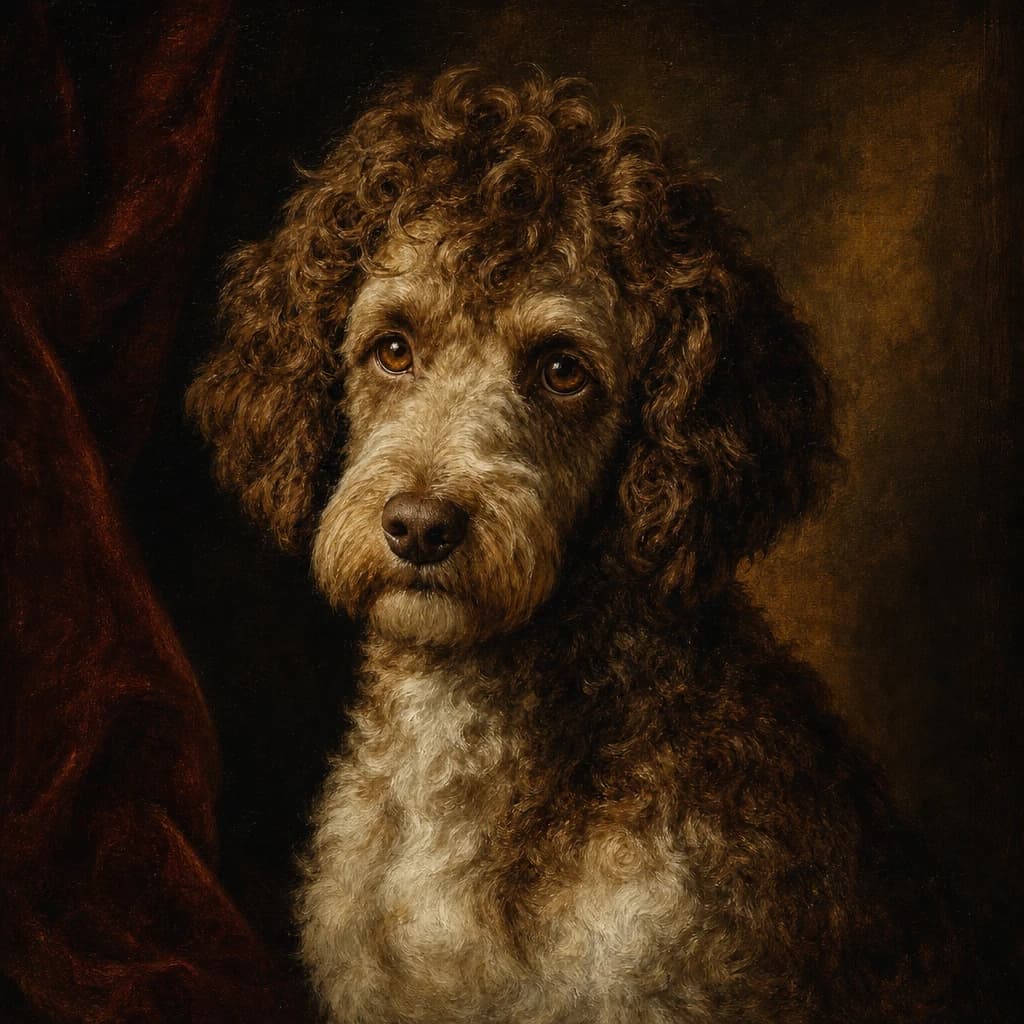
Renaissance Pet Portrait
1 creditYour pet rendered as a classical Renaissance oil painting — solemn, dignified, gallery-quality, no costume.

Age Progression
1 creditSee yourself at 70-80 years old with realistic aging — gray hair, kind smile lines, dignified portrait of your future self.

Professional Headshot
1 creditStudio-quality professional headshot suitable for LinkedIn, company About pages, speaker bios, and CVs.
Make your ai oil painting portrait generator in seconds.
Pay as you go. Packs from $2.99. Never expire.